Ever looked at a health checkup report and wondered what half the test names actually mean? You’re not alone. Many people get a full body checkup without knowing exactly what’s being tested or why.
A full body checkup usually combines blood and urine tests to give you a snapshot of your overall health. These tests are typically carried out by a pathology lab and may check important areas such as blood sugar, cholesterol, liver, kidney and thyroid function, depending on the package.
So, which blood tests are actually included in a full body checkup? Let’s break down the common tests and what they can tell you about your health.
Which Blood Tests Are Included in a Full Body Checkup?
A standard full body checkup usually covers these core blood tests:
- Complete Blood Count (CBC) – This common hematology test checks your red blood cells, white blood cells, and platelets. It can provide useful clues about conditions such as anemia and infections. If you’ve been feeling unusually tired or catching infections often, this is often the test that explains why.
- Lipid Profile – Measures total cholesterol, HDL (good cholesterol), LDL (bad cholesterol), and triglycerides. This one’s key for assessing heart disease risk, especially if there’s a family history of heart problems or you lead a fairly sedentary life.
- Liver Function Test (LFT) – Looks at enzymes like SGOT, SGPT, and bilirubin to see how well your liver is processing and filtering. Elevated levels can point to fatty liver, which is becoming very common due to diet and lifestyle, even in people who don’t drink alcohol.
- Kidney Function Test (KFT) – Includes creatinine, urea, and uric acid levels to check how efficiently your kidneys are clearing waste. Since kidneys don’t usually show symptoms until damage is fairly advanced, this test matters more than people realize.
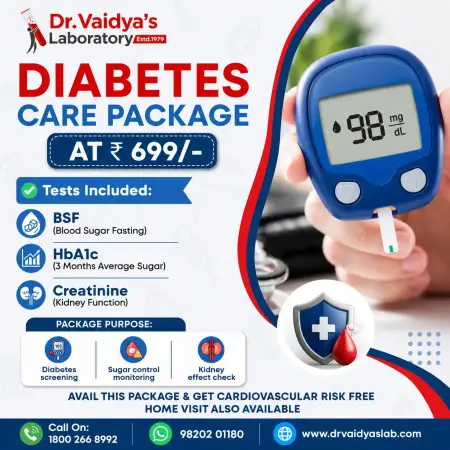
- Blood Sugar Tests (Fasting, Postprandial & HbA1c) – Screens for diabetes or prediabetes. Fasting and PP (post-meal) sugar give a same-day snapshot, while HbA1c shows your average blood sugar over the past 3 months — so it can’t be “tricked” by fasting before the test.
- Thyroid Profile (T3, T4, TSH) – Checks whether your thyroid is overactive or underactive, which affects everything from weight and energy levels to hair fall and mood. Thyroid issues are extremely common in India, particularly in women.
- Vitamin D and Vitamin B12 – Two of the most common deficiencies today, linked to fatigue, bone and joint pain, and nerve-related issues like tingling or numbness.
- Iron Studies – Especially relevant if fatigue, dizziness, or unexplained weakness is a concern, since low iron is one of the most common (and easily missed) causes.
Most comprehensive packages bundle these tests together, so you don’t have to visit the lab multiple times for different tests. If you’re comparing options, you can explore the available health packages to see which tests are included in each one. For added convenience, some packages may also offer home sample collection.
Planning a Routine Health Checkup?
Get a comprehensive health checkup to keep track of your overall health and important health parameters.
Are Urine Tests Included in a Full Body Checkup?

Yes, in most cases. A routine urine examination is a standard part of any comprehensive full body checkup, and it honestly doesn’t get enough credit for how much it reveals — it’s a simple sample, but it tells the lab a lot about how your kidneys and metabolism are functioning.
This test looks at things like:
- Protein and glucose levels – Protein in urine can be an early indicator of kidney trouble, while glucose can suggest undiagnosed diabetes.
- Urinary tract infections (UTIs) – Detected through the presence of white blood cells or bacteria in the sample, often before symptoms like burning or discomfort even show up clearly.
- pH and specific gravity – Helps assess hydration levels and how concentrated or diluted your urine is, which ties back to kidney function.
- Ketones – Can indicate uncontrolled diabetes or extreme dieting/fasting, since the body starts burning fat abnormally in both cases.
It’s a quick, non-invasive test, but paired with your blood work, it gives a much fuller picture of your kidney and metabolic health rather than blood tests alone. If you’re booking a package, just double-check that urine routine is listed. Most of our health checkup packages include it by default.
What Can a Full Body Blood Test Help Detect?
This is really the heart of why people get these tests done — it’s less about the individual reports and more about the early warning they give you. A full body blood test can help detect (or flag early risk for):
- Diabetes and prediabetes – via fasting sugar, PP sugar, and HbA1c, often before symptoms like excessive thirst or fatigue appear.
- Heart disease risk – through cholesterol and lipid imbalances, which build up silently over years before causing any chest pain or breathlessness.
- Liver disorders – including fatty liver, hepatitis, or early liver damage, which is often symptomless until it’s fairly advanced.
- Kidney dysfunction – before symptoms even show up, since kidneys can lose a significant amount of function before you feel anything different.
- Thyroid disorders – hypothyroidism or hyperthyroidism, both extremely common and often mistaken for stress, weight gain, or just “getting older.”
- Anemia and blood disorders – low hemoglobin, iron deficiency, or issues with clotting, all picked up through a simple CBC.
- Vitamin deficiencies – particularly D and B12, which affect energy, mood, bone density, and even hair and skin health.
- Infections and inflammation – picked up through white blood cell counts, sometimes flagging an infection you didn’t even know was active.
The real value here is early detection. Most of these conditions don’t show obvious symptoms until they’ve progressed quite a bit. A simple blood test can catch them while they’re still easily manageable, sometimes just with diet or lifestyle changes, no medication needed at all.
Ready to Check In on Your Health?
Get a comprehensive full body blood test and stay informed about your key health parameters.
How Often Should You Get a Full Body Checkup?
This depends a bit on your age, lifestyle, and existing health conditions, but here’s a general guideline:
- Under 30, no major risk factors – Once every 2 years is usually enough, unless you notice specific symptoms in between.
- 30 to 45 – Annually, especially if you have a sedentary lifestyle, family history of diabetes or heart disease, high stress levels, or irregular sleep and eating habits.
- 45 and above – Every year, without exception, since risk for lifestyle diseases like diabetes, hypertension, and heart disease rises significantly after this age.
- If you have existing conditions (diabetes, thyroid, hypertension) – As advised by your doctor, often every 3–6 months for specific markers so treatment can be adjusted early if needed.
The bottom line: don’t wait for symptoms to show up before you test. Most of the conditions a full body checkup screens for are silent in their early stages, which is exactly why they’re dangerous if ignored. An annual habit is a small effort for a lot of peace of mind.
Frequently Asked Questions (FAQ)
Typically, CBC, lipids, liver and kidney function tests, blood glucose, and thyroid tests with vitamin D and B12. A few packages even include iron studies or a urine test as well so you’ll want to verify the list before booking.
Yes, almost always. CBC checks your red cells, white cells, and platelets, and is usually the first thing doctors look at for anemia, infection, or clotting issues.
Usually, yes. There are comprehensive packages which will test for T3, T4, and TSH and basic packages which will only test for TSH. If there is a family history of thyroid problems, it is worth considering.
That is your lipid profile; your total cholesterol, HDL, LDL, and your triglycerides. If you are over 30 years of age or less active, it is particularly important.
Yes, 8–12 hours fasting is standard for accurate sugar and cholesterol results. Water’s fine; skip food, tea, or coffee.
Yes, in most comprehensive packages. It checks for protein, glucose, and infections, adding detail blood tests alone don’t catch.
Disclaimer: The blog is for educational purposes only. Please consult a qualified doctor before choosing a diagnostic service.
Your Health is Our Priority
Book your health checkup today and take the first step toward a healthier, brighter tomorrow!